

Features
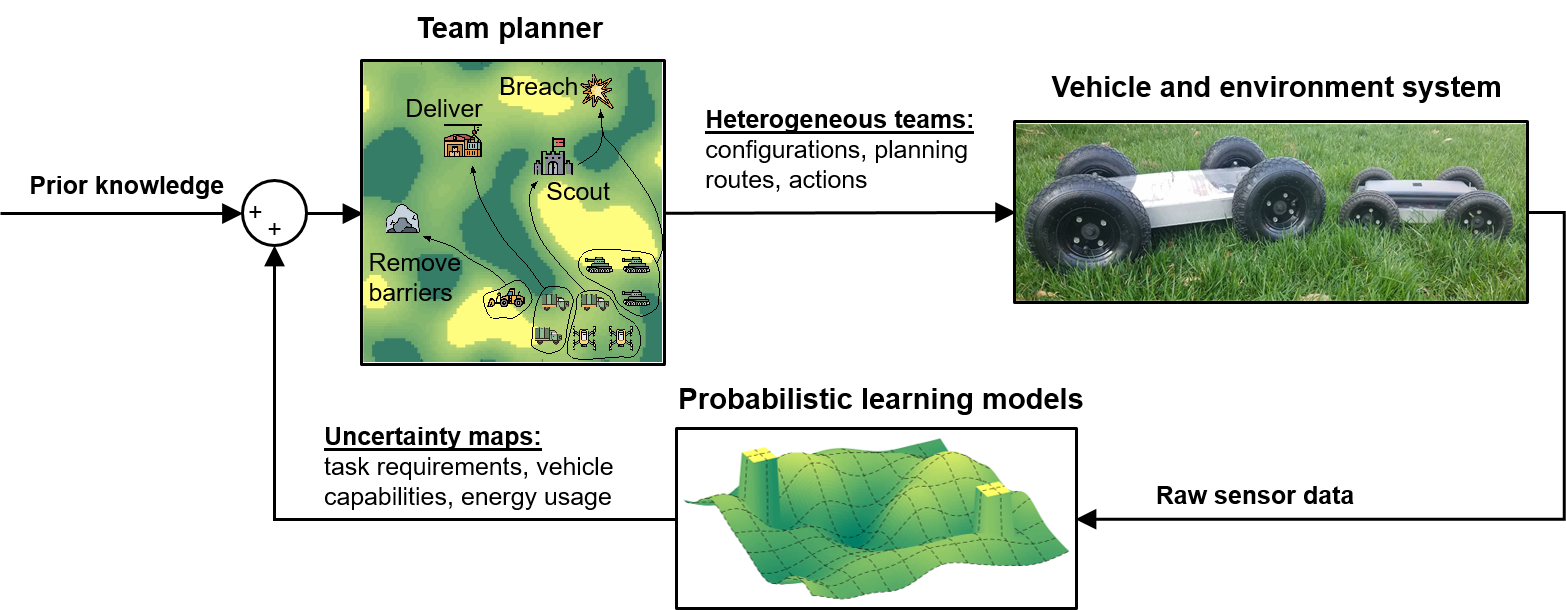
Assembling the Right Team for the Mission
We are designing approaches so that teams of vehicles can handle uncertainty while still completing the mission with success. That is what we mean by resilient teams.
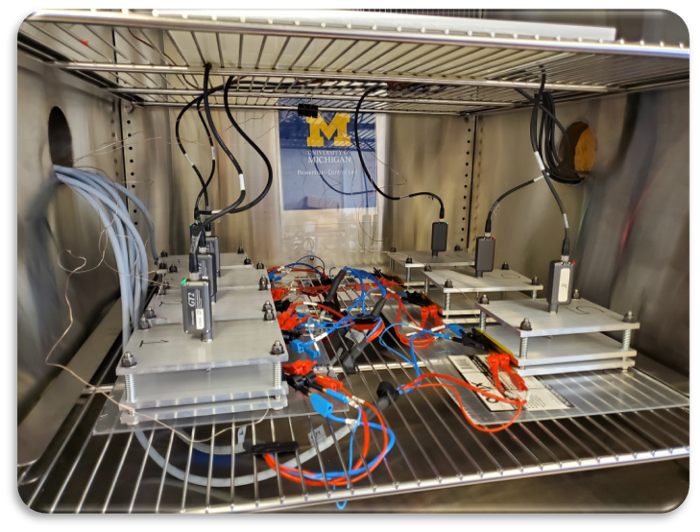
Keeping Autonomous Vehicles Moving
University of Michigan researchers explore how to extend the life of autonomous vehicles by optimizing batteries and fuel
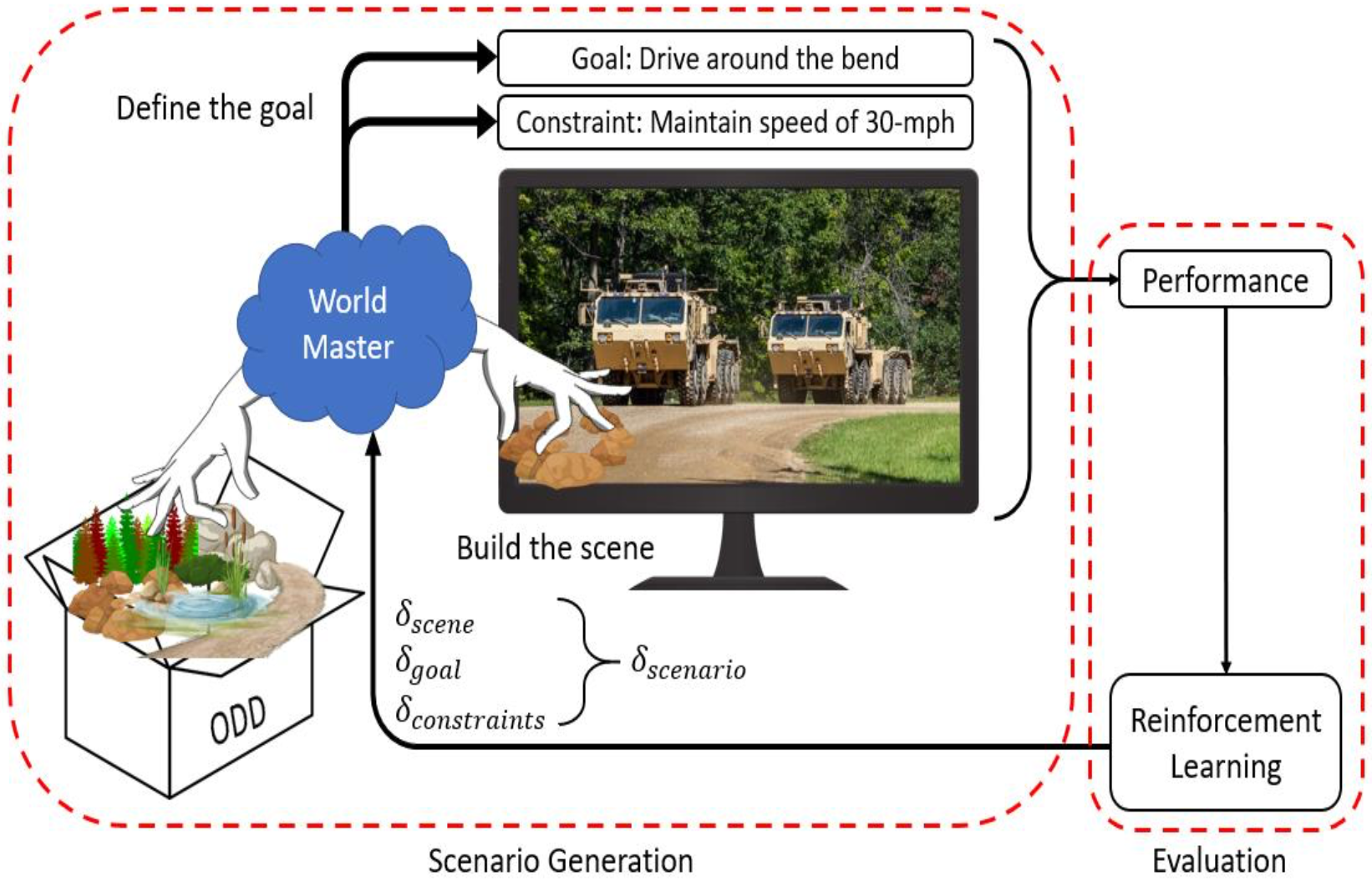
Helping Autonomous Vehicles Learn
“If you want to make a good algorithm for playing chess even better, one way to do it is to let the algorithm play against itself,” said Ram Vasudevan, assistant professor of Mechanical Engineering at UMich. “By playing against itself, the algorithm can learn how to maneuver more successfully through the game.”
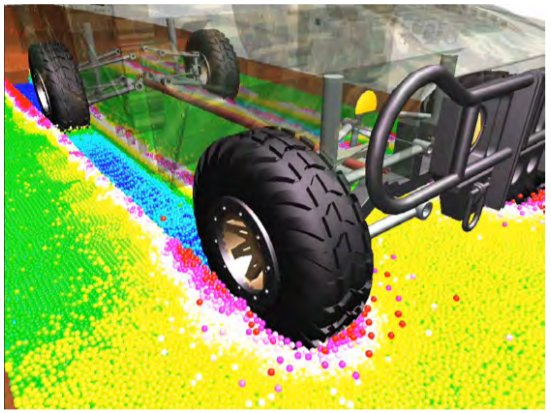
Developing Smart Calculations to Gain Traction
Improving vehicle performance by reducing the time it takes to evaluate traction as the vehicle’s wheels encounter changing soil conditions to ensure safe navigation.
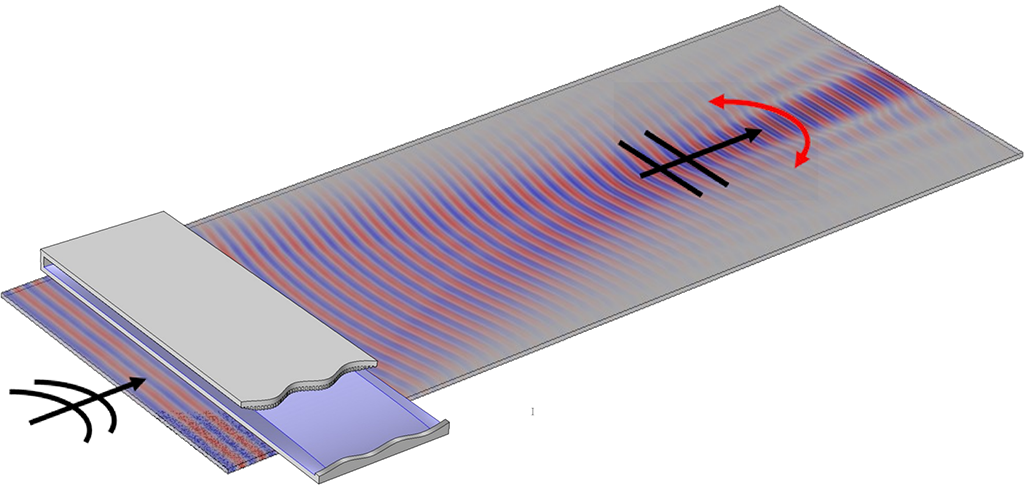
Looking to Bats to Improve Autonomous Vehicle Vision
Creating an ultrasound sensor system that allowed autonomous vehicles to operate in an uncertain world under inclement weather conditions while retaining their anonymity.
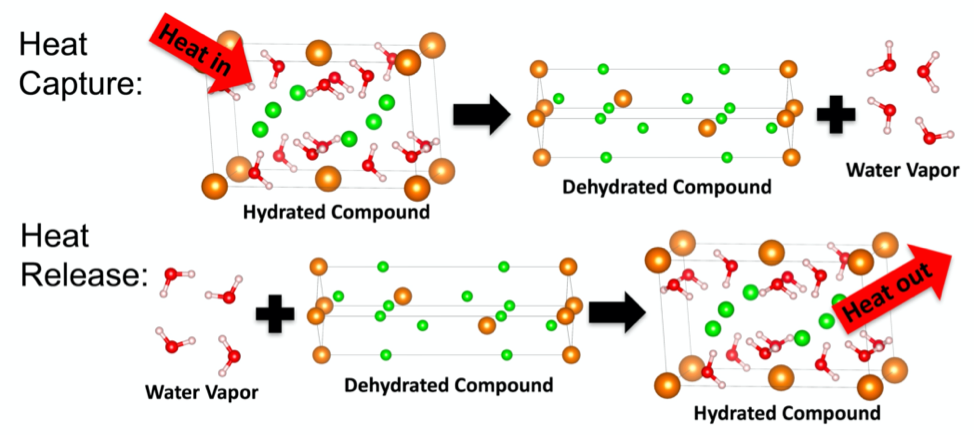
Discovering New Materials for Thermal Energy Storage
What if the thermal energy from waste heat could be captured, stored, and reused?
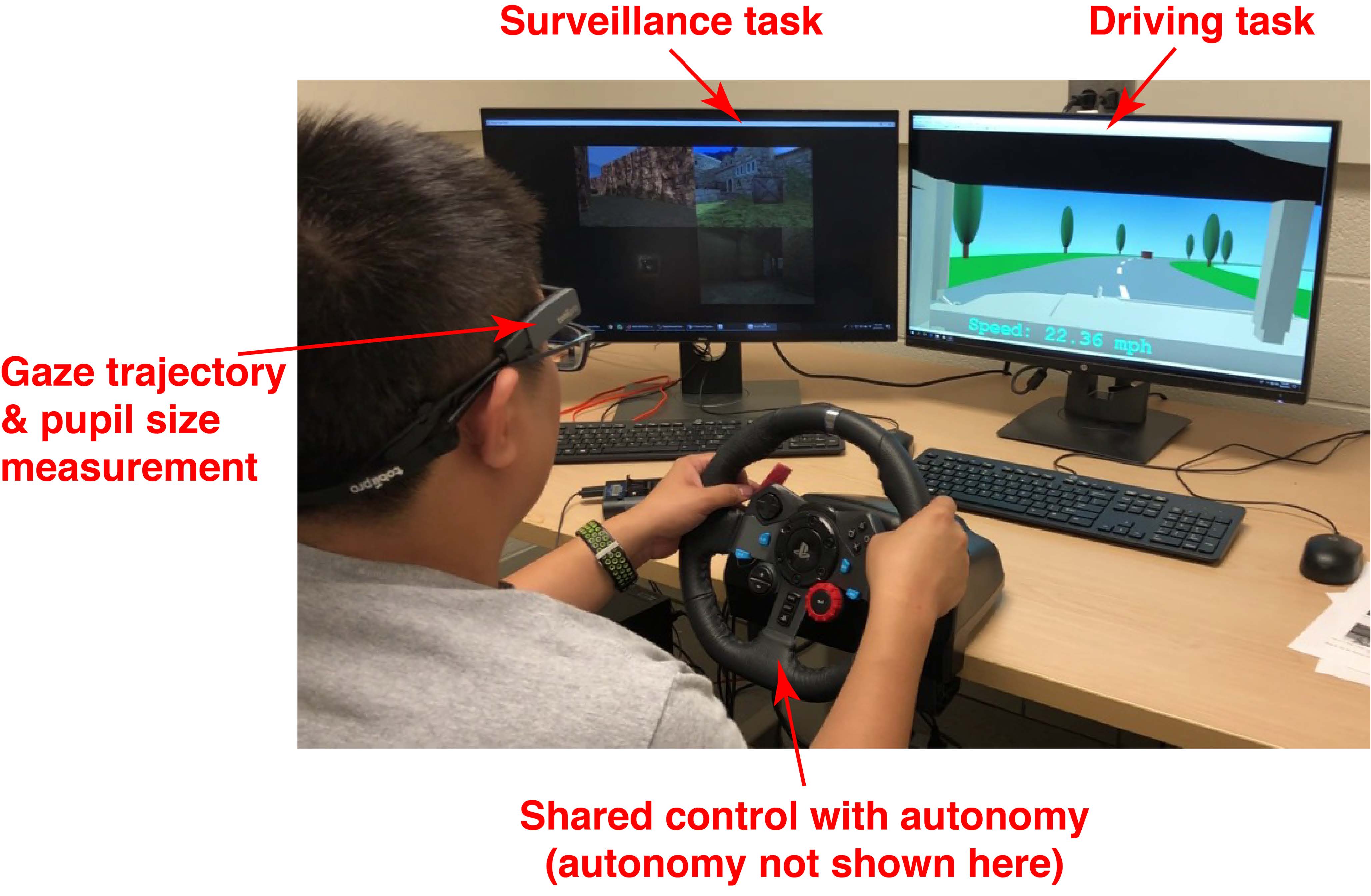
An Autopilot that Pays Attention to You
A research team is using drivers’ real-time physiological and driving data to develop algorithms that improve how the autonomous component in a car responds to an overly tasked driver.
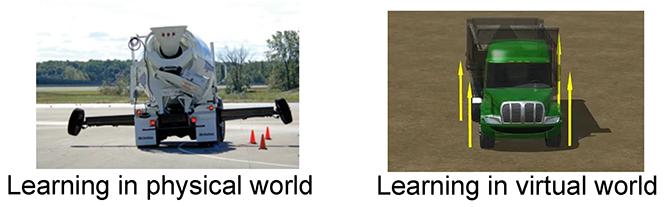
Building the Code to Help Autonomous Vehicles Learn
Researchers have developed algorithms that can help machines learn from day-to-day interactions to operate efficiently and safely to avoid damage.
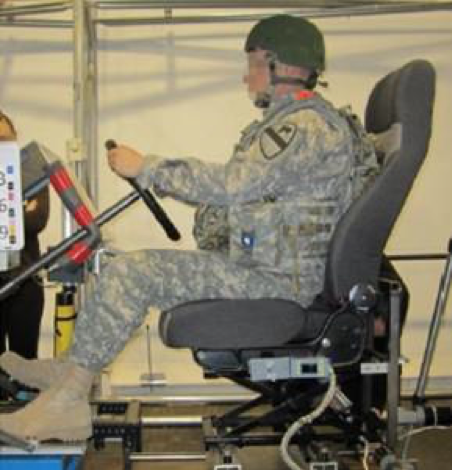
Highly Equipped Soldiers and Vehicles: Finding the Right Fit
If you’ve ever felt like packing your car for a trip was like a game of Tetris, you can relate to the challenge of fitting a heavily equipped soldier into a military vehicle.
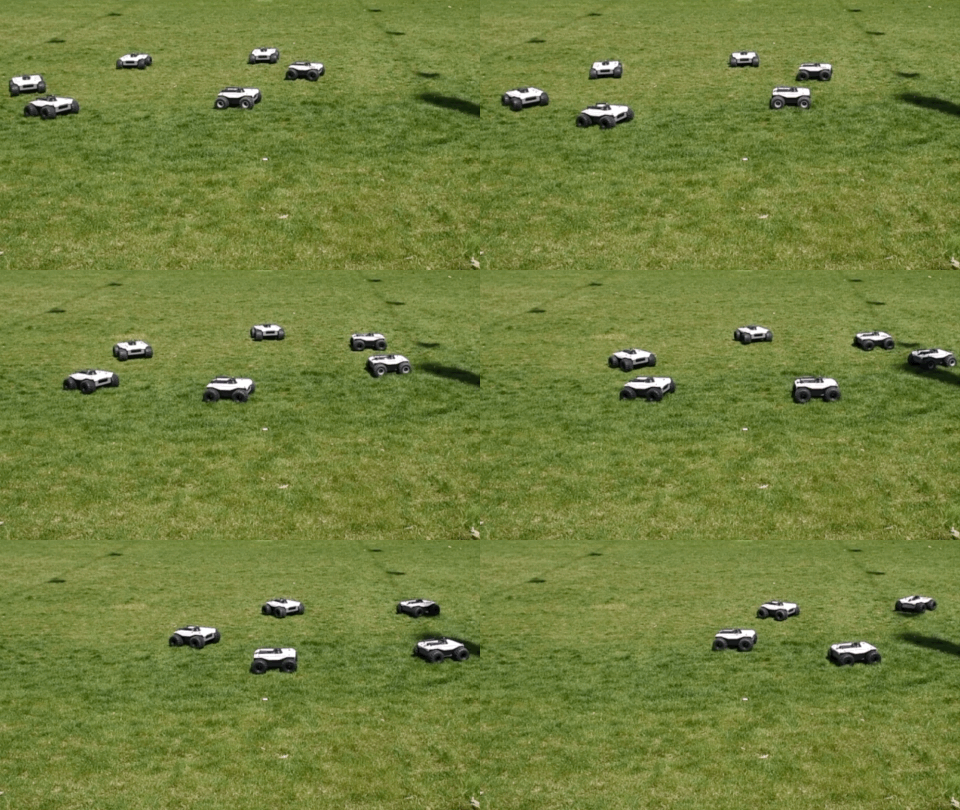
Building Resilience and Safety in Autonomous, Networked Teams
Researchers are developing and testing algorithms that build resilience into networked systems to stave off corruption by antagonistic forces.